If the FTA establishes tax evasion in a supply chain, it may refuse a UAE buyer’s input VAT deduction where the buyer should have recognised the connection. VATP048 explains how a business that was genuinely unaware can use evidence of its checks to show why it could not reasonably have known.
Who is affected, and from when?
The guidance matters to UAE VAT registrants claiming tax on purchases, including businesses in Ras Al Khaimah. The FTA issued VATP048 on 11 November 2026 to explain FTA Decision No. 13 of 2026, effective 1 October 2026. The decision applies where the FTA establishes evasion. Businesses can use its checks in routine purchasing without having to run the full procedure for every invoice.
What should purchasing and accounts keep?
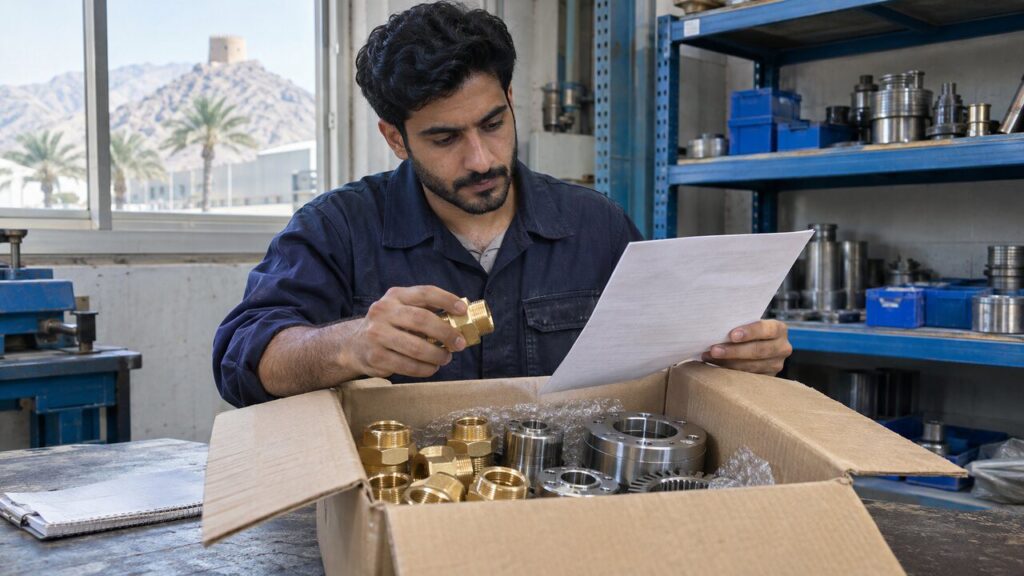
Consider a RAK workshop offered a batch of spare parts at half its usual wholesale price. Before approving the input VAT claim, its team can:
- Identify the seller. Check the legal name, trade licence and tax registration number against the quotation and invoice.
- Check the deal itself. Ask why the parts are discounted. If the seller cites clearance stock, keep the quotation and supporting correspondence. Match the quantities delivered to the order.
- Record the decision. Keep the evidence together and record who reviewed the discrepancy and how it was resolved. If it remains unexplained, refer the claim to the person responsible for VAT before filing.
When relying on the decision, keep a written policy naming who performs, reviews and supervises the checks. The workshop example illustrates the process. The official guidance sets out the full measures.
Read the FTA’s VATP048 clarification (PDF).
For help reviewing a purchase before your next return, see Rasif’s UAE VAT services or book a free 20-minute online consultation.